Best fabric for underwear – a guide to comfort and health
Choosing the right fabric for underwear is crucial for daily wearing comfort and skin health. Underwear lies directly against the skin, regulates moisture, ensures breathability and can prevent irritation. Low-quality or heavily chemically treated materials can cause itching, allergic reactions or an unpleasant feeling on the skin. Those who consciously pay attention to material, care instructions and certifications invest not only in comfort but also in skin health.
From this article you will learn:
- Why choosing the right fabric for underwear is so important
- Which certifications and labels to look out for when buying
- Which materials are suitable for women’s and men’s underwear
- The pros and cons of natural, regenerated and synthetic fabrics
- Special fabrics for period underwear, erotic lingerie and bras
- Which underwear materials you should better avoid
- Practical tips for skin-friendly and comfortable underwear
Why is choosing the right fabric for underwear so important?
The right fabric for underwear often determines whether we feel comfortable all day long – or constantly feel pinched, sweaty and uncomfortable. Since underwear lies directly against the skin, it influences the skin climate, breathability and daily hygiene more than any other garment. In underwear production, the choice of material plays a decisive role: breathable fabrics ensure that moisture is quickly transported away and bacteria cannot multiply so easily. Low-quality or heavily chemically treated fabrics, on the other hand, can irritate the skin, cause itching or even trigger allergic reactions – especially with sensitive skin. Those who choose consciously here invest not only in comfort but also in skin health.
An unsuitable fabric can lead to the following problems, among others:
- unpleasant sweating and heat build-up
- damp feeling on the skin and lack of breathability
- increased bacterial growth and odour formation
- skin irritations, itching or redness
- allergic reactions in sensitive skin
Pay attention to labels – how to choose underwear correctly
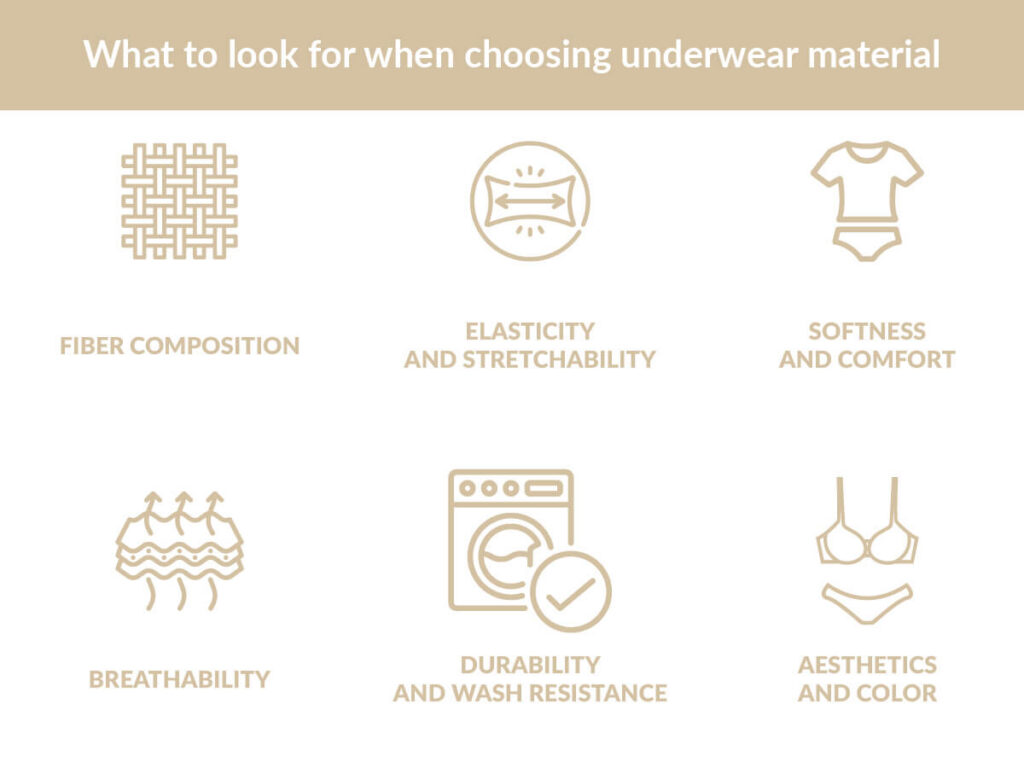
A glance at the label often reveals more than one might think. It not only states what material the underwear is made of, but also how high the proportion of cotton, spandex fabric or synthetic fibres is. Those who look carefully will also find care instructions such as washing temperature or drying recommendations – important information to keep the underwear soft, shape-stable and skin-friendly for a long time. A quick check before buying can therefore prevent later skin irritations and problems.
Pay attention to certifications – OEKO-TEX® and GOTS for underwear
Certifications are a reliable indicator that a fabric has been tested and is safe. Labels such as OEKO-TEX® Standard 100 or GOTS guarantee that no harmful chemicals are contained and that the underwear was produced in a skin-compatible way. Especially for sensitive skin, it is worth looking out for such labels – they provide security and a clear conscience when wearing.
Which material is best for underwear?
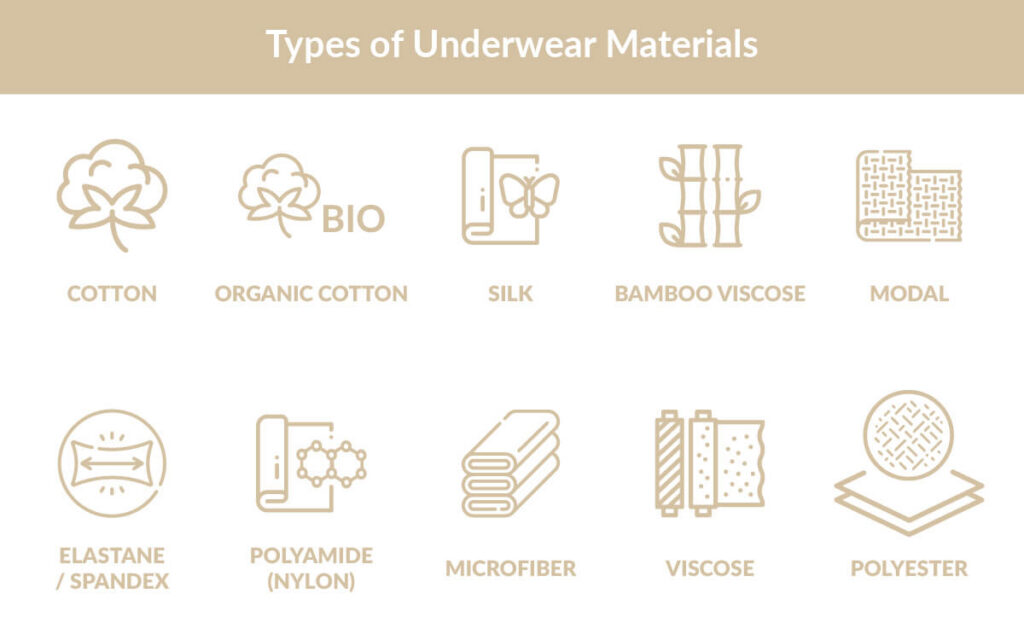
The choice of the right material depends on comfort, skin compatibility and intended use. There are natural, regenerated (semi-synthetic) and synthetic fabrics – each type has its advantages and disadvantages. The following overview helps to quickly identify which fabric suits which need:
| Material | Type | Properties and advantages | Special features |
|---|---|---|---|
| Cotton | Natural | Breathable, soft, skin-friendly, easy to care for | Retains moisture, can crease more quickly |
| Organic cotton | Natural | Sustainable, chemical-free, very skin-compatible | Slightly more expensive |
| Silk | Natural | Smooth, temperature-balancing, luxurious | High-maintenance, delicate |
| Bamboo viscose | Regenerated | Soft, antibacterial, low-odour | Quality varies, usually a blended fabric |
| Modal | Regenerated | Very soft, shape-stable, long-lasting | Usually blended with cotton fabric or elastane |
| Elastane | Synthetic / additive | Stretchy, ensures perfect fit | Never wear alone, usually only as an additive |
| Polyamide (nylon) | Synthetic | Durable, lightweight, quick-drying | Less breathable, can be heat-sensitive |
| Microfibre | Synthetic | Fine, smooth, easy to care for, modern | Lower air circulation, synthetic feel |
| Viscose / rayon | Regenerated | Soft, pleasant on skin, breathable | Sensitive to moisture, needs care |
| Polyester | Synthetic | Durable, elastic, quick-drying | Less breathable, can retain odours |
Which material for underwear ensures comfort and skin-friendliness
Natural materials – classics for the skin
Natural fabrics have always been the first choice for underwear because they are soft, breathable and particularly skin-friendly. They ensure that the skin feels comfortable throughout the day, moisture is regulated efficiently and irritations remain reduced. Natural fibres such as cotton or silk are not only comfortable but also support the natural skin balance – especially important for sensitive skin types or people who are frequently on the go.
Those who opt for natural materials notice the difference immediately: the underwear feels gentle, “breathes” with the skin and prevents unpleasant sweating or irritations. Moreover, many natural fibres are sustainable and long-lasting, making them an investment that pays off over months and years. Whether for everyday use, sporting activities or special occasions – natural fabrics remain a classic that can always be relied upon.
Cotton – soft, breathable and skin-friendly
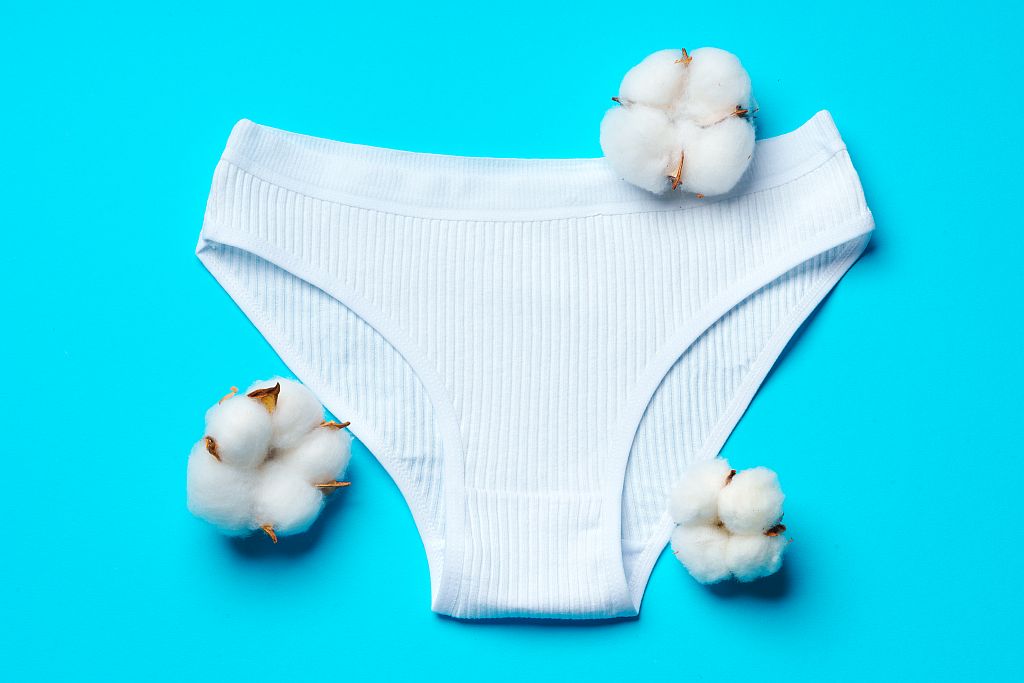
Cotton is the classic among underwear fabrics. It is soft, breathable and skin-friendly. Cotton absorbs moisture well, allows the skin to breathe and is easy to care for – ideal for every day. One small disadvantage: cotton can become damp more quickly with a lot of movement or heavy sweating.
Organic cotton – natural underwear for sensitive skin
Organic cotton is grown without chemical pesticides or harmful additives. It is particularly skin-compatible and sustainably produced. For people with sensitive skin or for all those who value ecological textiles, organic cotton is the perfect choice.
Silk – luxurious, temperature-balancing and gentle on the skin
Silk feels luxuriously soft on the skin and regulates temperature excellently – it cools in heat and warms slightly in cold. It also glides gently over the skin and can minimise friction. The disadvantage: silk is more high-maintenance and delicate than cotton, but is perfect for special occasions or luxurious everyday underwear.
Regenerated fibres – the modern alternative for sewing underwear
Regenerated fibres are semi-synthetic materials obtained from natural raw materials such as wood or cellulose. They combine the advantages of natural fibres – softness, skin-friendliness and breathability – with the shape stability and easy care of synthetic fabrics. For all those who value comfort, sustainability and modern properties in their underwear, modal and bamboo viscose are the perfect choice.
Modal – underwear with a silky feel and high colour fastness
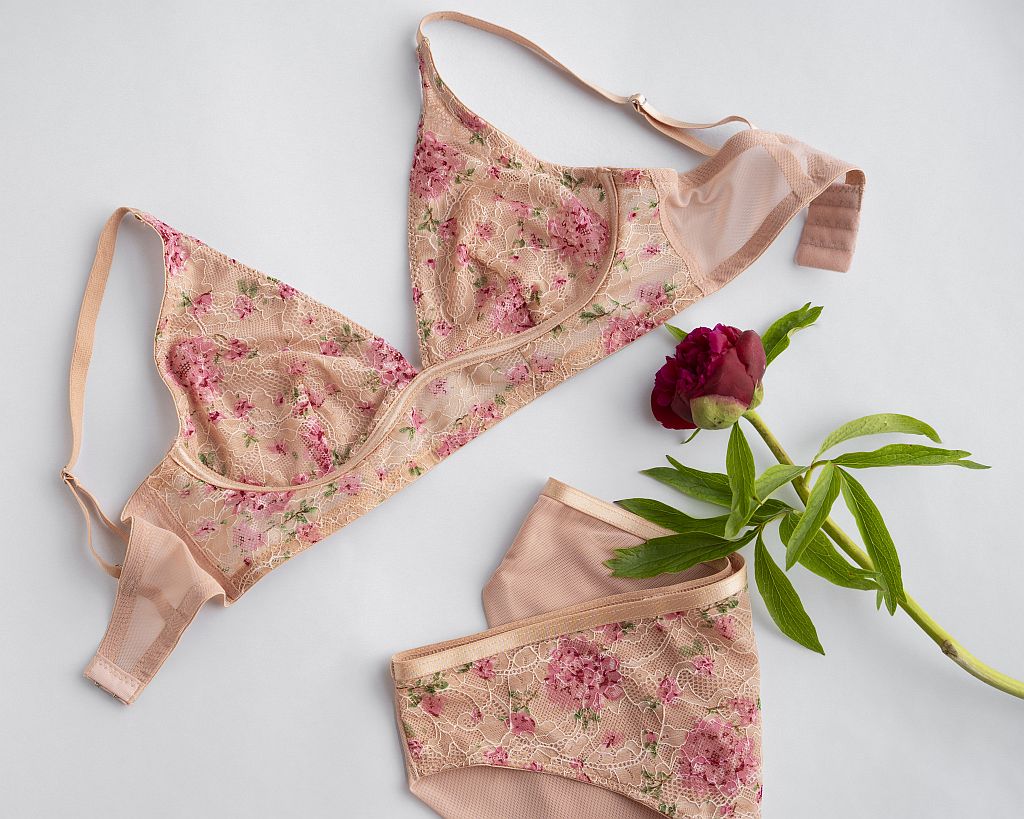
Modal is particularly soft – even softer than cotton – and feels almost like silk on the skin. At the same time, it is shape-stable, long-lasting and retains its colour even after many washes. Modal is breathable and is excellently suited for close-fitting underwear or everyday briefs, where comfort throughout the day is crucial.
Bamboo viscose – natural underwear for sensitive skin and hot summers
Bamboo viscose is obtained from fast-growing bamboo wood and impresses with its particularly soft, almost velvety surface. The fabric is breathable, moisture-regulating and has natural antibacterial properties that reduce odours. Ideal for underwear that should stay fresh for a long time, and particularly suitable for people with sensitive skin or for summer.
Synthetic fabrics for underwear
Synthetic fabrics are produced entirely chemically and offer properties that natural fibres alone often cannot provide. They are particularly shape-stable, durable and quick-drying. For underwear that fits closely, is used for sport or should retain its shape for a long time, synthetic materials can be a practical addition. Nevertheless, they should be combined consciously so as not to neglect comfort and skin-friendliness.
Polyamide – ideal for sport and close-fitting clothing
Polyamide (also known as nylon) is lightweight, durable and dries very quickly. It is perfectly suited for underwear that has to withstand a lot of movement, such as during sport or under close-fitting clothing. The disadvantage is that polyamide is less breathable than natural fibres and can be uncomfortable on the skin in intense heat or moisture.
Elastane – indispensable in combination with cotton, modal or microfibre
Elastane is usually mixed in small proportions with other fabrics and ensures that the underwear remains stretchy and fits perfectly to the body. Without elastane, many modern underwear pieces would lose their shape or slip. Used alone, elastane is too smooth and not very breathable, but in combination with cotton, modal or microfibre it is a real comfort bonus.
Fabric for period underwear – the best materials for comfort and safety
Period underwear places special demands on material and wearing comfort. It should be breathable, moisture-regulating and pleasant on the skin. Ideal fabrics often combine cotton or modal with light microfibre or elastane to ensure absorbency, fit and freedom of movement. Antibacterial properties and quick-drying fibres can additionally provide a fresh feeling – especially on hot days or during active phases. Anyone wishing to have period underwear sewn should pay particular attention to these properties so that the finished model is functional, comfortable and skin-friendly.
Skin-friendly, flexible fabrics for elegant and comfortable erotic lingerie
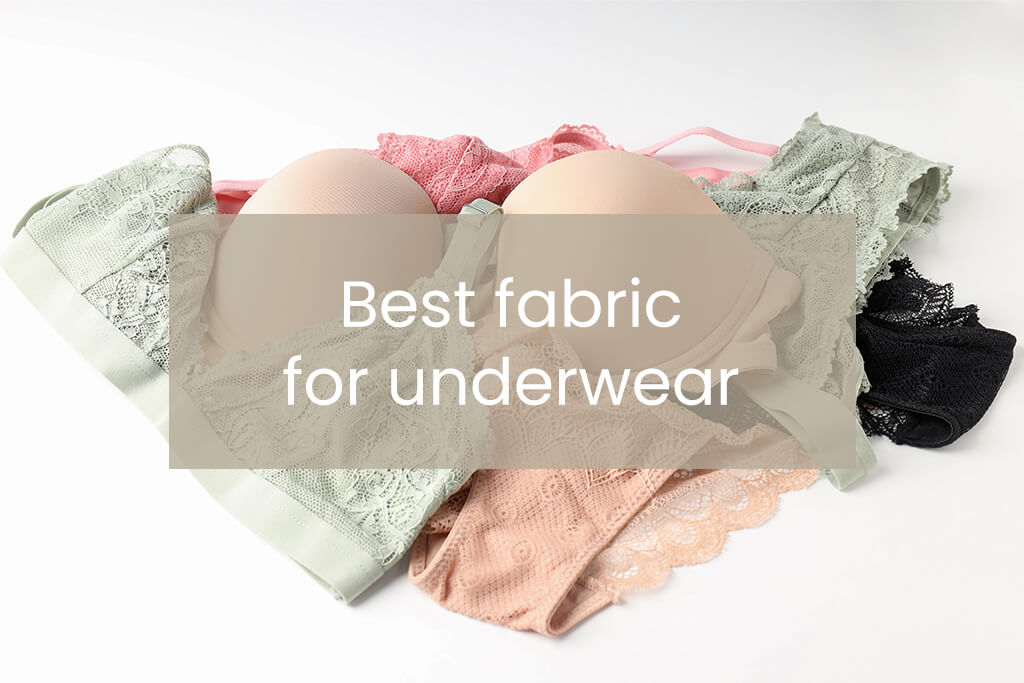
Erotic lingerie thrives on aesthetics, feel and comfort alike. As an experienced erotic lingerie manufacturer, we know that elastic materials, fine microfibre or lace fabrics are often used here, lying gently on the skin while remaining flexible. It is important that the materials remain skin-friendly and do not scratch or chafe – especially for sensitive skin. The combination of aesthetics and functionality makes modern erotic lingerie pleasantly wearable without having to sacrifice style.
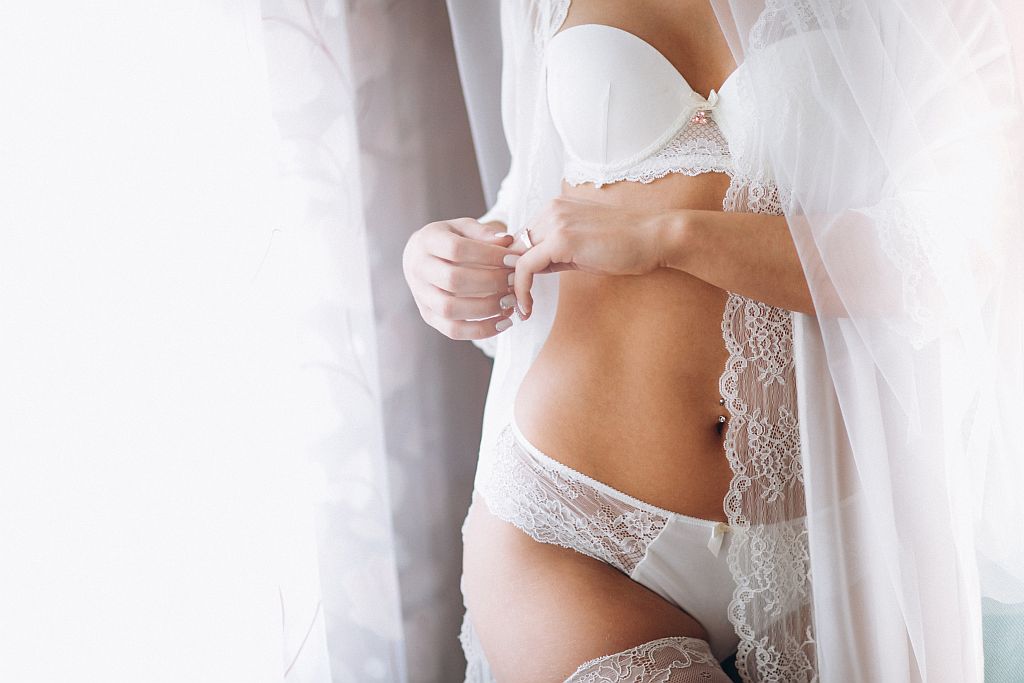
Material for bridal underwear – delicate, luxurious and skin-friendly
For bridal underwear manufacturing, elegance, comfort and high-quality materials take centre stage. Particularly popular are silk, satin or fine lace, often combined with cotton or modal inserts at sensitive areas. These fabrics are gentle on the skin, breathable and ensure that the bride or groom feels comfortable throughout the entire day. Elastic elements additionally provide a perfect fit and freedom of movement without losing the luxurious character.
If you want to explore the topic in more detail, read our blog article on what to wear under a wedding dress for a complete guide to styles, fabrics, and bridal lingerie choices.
Bra fabrics – perfectly shaped, breathable and comfortable
For bras, materials are required that combine shape, support and comfort. Typical are blends of cotton, modal, elastane and polyamide, which support the cups, keep the fabric stretchy and remain breathable at the same time. Soft inserts and breathable mesh inserts improve wearing comfort, while elastane provides the perfect fit. High-quality bra fabrics avoid irritations and ensure that the bra sits comfortably throughout the day.
What is the healthiest underwear?
The healthiest underwear is that which optimally combines skin-friendliness, breathability and comfort. Natural materials such as cotton or silk rank highest here, but modern regenerated fibres such as modal or bamboo viscose can also be an excellent choice. What is decisive is that the underwear reliably regulates moisture, is breathable and contains no harmful chemicals. Those with sensitive skin or a tendency towards irritations should additionally look out for certified fabrics such as OEKO-TEX® or GOTS – this keeps the skin healthy and the wearing experience pleasant.
An important detail – the cotton gusset
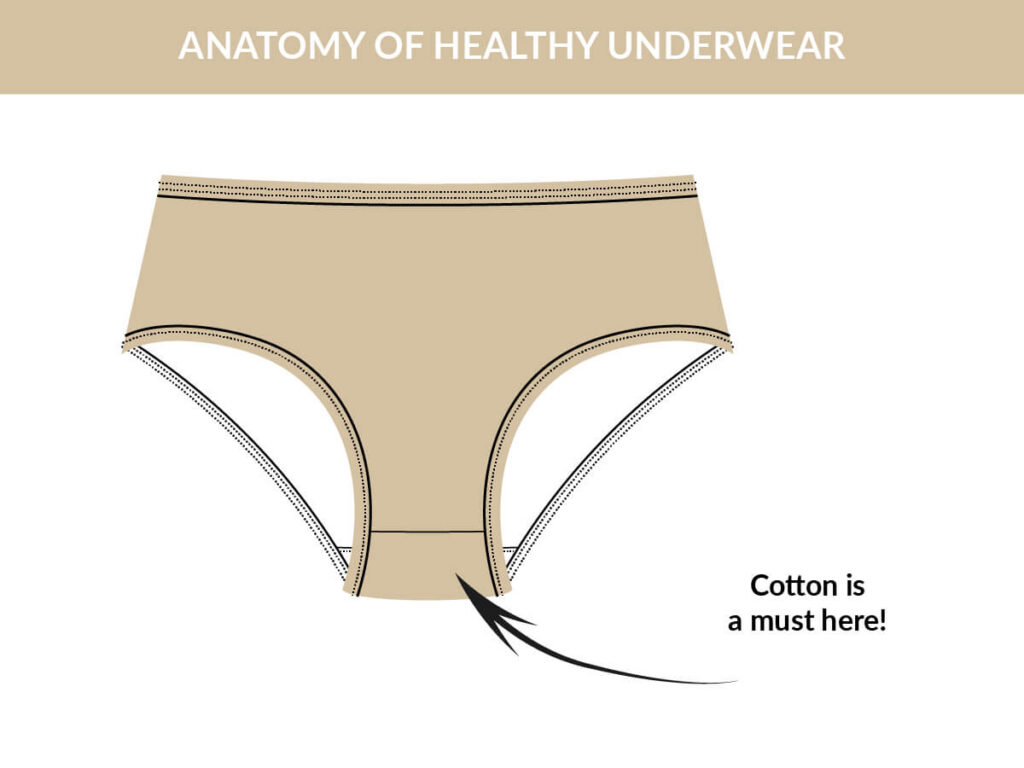
When buying underwear – especially models made of lace or synthetic fabrics – always pay attention to the so-called gusset. This is the small piece of fabric in the crotch area. From a health perspective, this should always consist of 100% cotton. It guarantees optimal moisture absorption and breathability directly at the most sensitive spot, thus effectively preventing irritations and infections.
Most important properties of healthy materials
- Healthy underwear is characterised by several key properties:
- Breathability – allows air to circulate and prevents heat build-up
- Moisture regulation – absorbs perspiration or channels it outward
- Softness – minimises friction and skin irritations
- Skin-friendliness – free from harmful chemicals and dyes
- Shape stability – comfortable, retains its shape even after many washes
- Antibacterial properties – reduces odours and bacterial growth (especially with regenerated fibres or special treatments)
Those who pay attention to these properties ensure that the underwear not only looks good but also provides a healthy wearing experience throughout the day.
Best fabric for women’s underwear
For women’s underwear, comfort, skin-friendliness and fit come first. Natural materials such as cotton and organic cotton are ideal for everyday use, as they are soft, breathable and gentle on the skin. For luxurious or elegant models, silk is also an option – it feels gentle and regulates temperature.
For sport, close-fitting trousers or high movement requirements, regenerated fibres such as modal or bamboo viscose are practical, as they are soft, elastic and shape-stable. A small proportion of elastane additionally ensures that the underwear fits perfectly to the body and sits comfortably throughout the day.
Tip: Those prone to skin irritations or fungal infections should opt for certified natural fibres and use synthetic materials sparingly.
Best fabric for men’s underwear
For men’s underwear, comfort, breathability and freedom of movement count above all. Classic materials such as cotton or organic cotton are therefore highly favoured – they are soft, skin-friendly and absorb moisture.
For sporting activities or tight-fitting underwear, blends of cotton and elastane or regenerated fibres make sense. They retain their shape, provide freedom of movement and ensure that everything stays in place. Here too, microfibre or polyamide in small proportions can bring advantages, such as in quick-drying underwear.
Tip: Men who sweat a lot or are frequently on the go benefit from breathable, moisture-wicking fabrics that keep the skin dry and fresh.
Which fabrics for underwear should be avoided – tips for skin and comfort
Not every fabric is equally suited for daily wearing comfort. Some materials can irritate the skin, cause sweating or encourage unpleasant odours. Those who know which fabrics can be problematic can avoid irritations and feel completely comfortable.
Fabrics that are better avoided for underwear:
| Material | Why avoid? | Possible problems on the skin |
|---|---|---|
| Polyester | Very synthetic, often not very breathable | Heat build-up, sweating, odours |
| Polyamide/nylon (alone) | Can feel dry and artificial | Friction, skin irritations |
| Acrylic | Barely breathable, synthetic feel | Sweating, itching |
| Cheap microfibre | Often chemically treated, low air circulation | Skin irritations, unpleasant sweating |
| Blends without natural content | No moisture absorption, not very skin-friendly | Heat build-up, irritations |
| Heavily chemically treated fabrics | e.g. dyed or impregnated | Allergic reactions, itching |
Underwear materials – our conclusion
Choosing the right material makes the difference between unpleasant pinching, sweating or skin irritations and an all-day feeling of wellbeing. Natural materials such as cotton, organic cotton or silk are the classics for every day – soft, breathable and skin-friendly. Regenerated fibres such as modal or bamboo viscose combine these advantages with shape stability and additional comfort, while synthetic fabrics can be used specifically for elasticity or quick drying.
Those who pay attention to material composition, certifications and quality when buying ensure that the underwear remains long-lasting, pleasant and healthy. Ultimately, the rule is: the best underwear is that which feels good, is breathable and protects the skin – whether for women or men, for everyday use, sport or special occasions.
Frequently asked questions about underwear fabrics
Natural fabrics such as cotton, organic cotton or silk are ideal – soft, breathable and skin-friendly. Regenerated fibres such as modal or bamboo viscose are also very comfortable.
Cotton or organic cotton, because it is breathable, soft and moisture-regulating. For additional comfort, light modal or bamboo fibres can be used.
Underwear made from breathable natural fibres or blends with modal/bamboo viscose wicks away moisture and provides a dry wearing experience.
Best cotton, organic cotton or modal, possibly with a small proportion of elastane for shape stability and freedom of movement.
Modal is softer and more shape-stable, cotton more skin-friendly and breathable. For sensitive skin, cotton is often the first choice; modal is ideal for close-fitting underwear.
Merino is breathable, temperature-regulating and suitable for everyday use; angora is particularly warm but more high-maintenance and better suited for cold days.
Yes, especially in the form of modal or bamboo viscose – soft, breathable and pleasant on the skin. Regular viscose can be less shape-stable.
Cotton, organic cotton or blends with modal – soft, breathable and comfortable, with some elastane for shape stability.
Underwear made from merino wool or angora – natural fibres retain warmth well without causing the skin to sweat.
Alone it is not ideal, as it is not very breathable. In small proportions in blends it can provide shape stability and support.