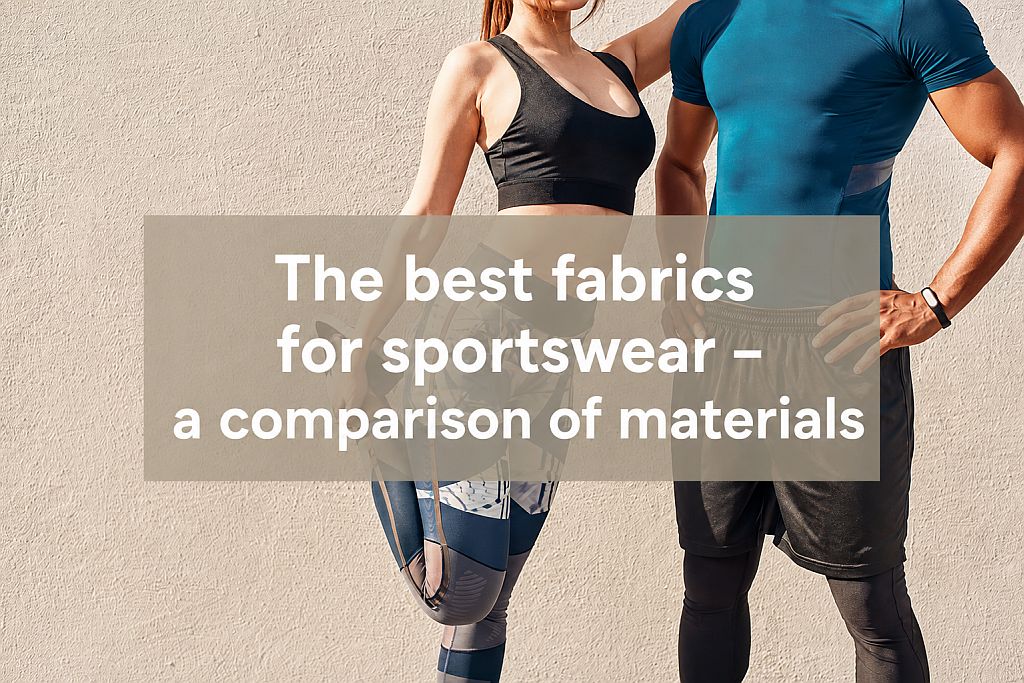
The best fabrics for sportswear – a comparison of materials
The choice of the right fabrics for sportswear is crucial – not only for comfort, but also for performance and durability. From your first jogging session to an intense gym workout, the right material helps you move freely, stay properly ventilated, and remain optimally protected at the same time.
In this article, you will learn:
- why the choice of material is so important in sportswear
- what properties a good sports fabric should have
- which types of fabrics exist – from synthetic fibers and natural materials to advanced functional textiles
- which fabric suits which type of sport, including practical tips for training, outdoor activities, and yoga
With this information, you can make more informed choices for your sports wardrobe and ensure that every garment serves its purpose – whether you are running, strength training, or practicing yoga.
Why is choosing the right sportswear fabric so important?
Choosing the right fabric has a major impact on how comfortable and effective your workout is. A poor or unsuitable material can restrict movement, prevent proper moisture wicking, and even cause skin irritation.
If you are producing sportswear, it is especially important to focus on high-quality, functional materials. They ensure freedom of movement, help regulate body temperature, and efficiently transport moisture away from the body. Particularly during intense workouts or outdoor activities, the right fabric for sportswear can make the difference between a motivating training session and frustration caused by overheating, chilling, or chafing.
Also read our blog article on “fabrics for underwear” to learn which materials are especially comfortable, breathable, and skin-friendly.
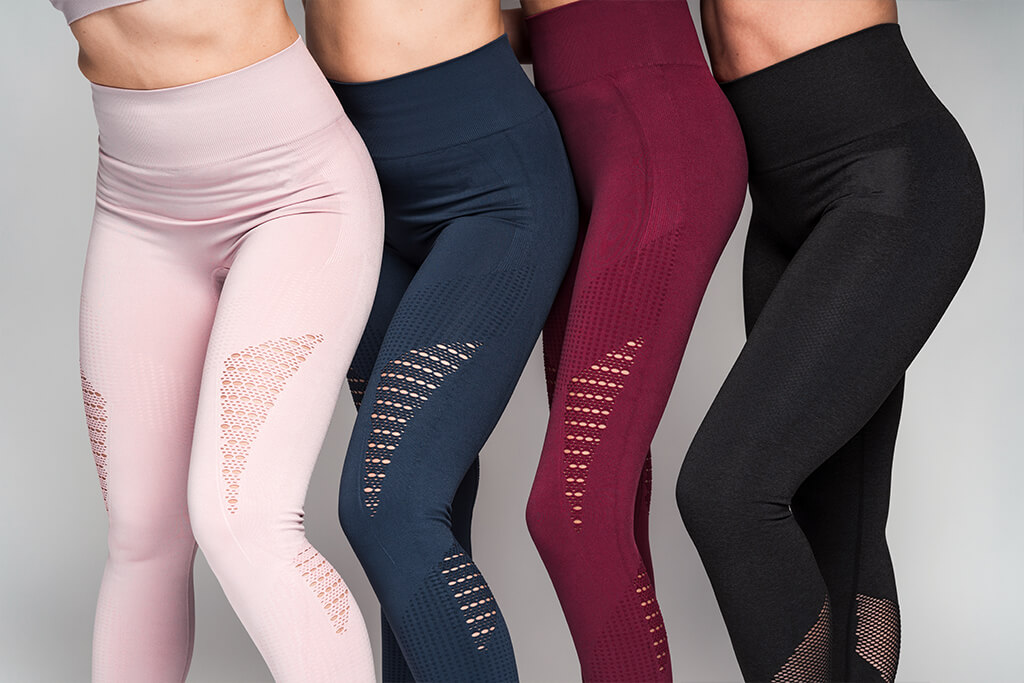
What properties should good sportswear fabric have?
An ideal sports fabric combines several key properties that make your training more comfortable and effective:
- Breathability – the fabric should allow air to circulate so the body does not overheat during exercise.
- Moisture management – sweat is quickly drawn away from the body, keeping the skin dry and reducing friction and irritation.
- Elasticity and freedom of movement – stretch materials adapt to every movement and prevent tightness or restriction during workouts.
- Lightweight and quick-drying – especially for outdoor or endurance sports, a lightweight fabric that dries quickly is essential.
- Durability and easy care – the material should maintain its shape, color, and performance even after frequent washing.
- Protection and comfort – well-designed thermal underwear provides comfort during outdoor activities, while additional features such as water resistance, windproofing, and thermal insulation offer even greater protection and wearing comfort.
Fabrics for sportswear and their types
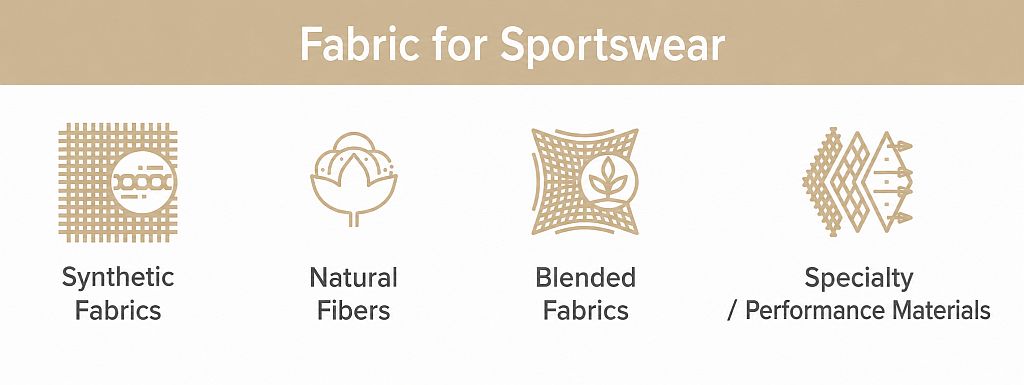
| Material category | Examples | Advantages | Applications |
|---|---|---|---|
| Synthetic fabrics | Polyester, nylon (polyamide), elastane (Lycra), microfiber | Lightweight, durable, elastic, quick-drying, moisture-wicking | T-shirts, leggings, running pants, fitness clothing |
| Natural fibers | Cotton fabrics, merino wool, bamboo, lyocell (Tencel) | Comfortable, breathable, (partly) antibacterial, temperature-regulating | T-shirts, sports underwear, outdoor clothing |
| Blended fabrics | Cotton + polyester, cotton + spandex | Combine comfort of natural fibers with functionality of synthetics (stretch, quick-drying) | Leggings, sweatshirts, training tops |
| Special / technical materials | Softshell, fleece, neoprene, Gore-Tex, mesh | Wind- and water-resistant, warm, breathable, abrasion-resistant | Jackets, outdoor trousers, waterproof clothing, ventilation zones in garments |
The basics – key fibres in detail
Behind every successful workout is not only motivation – the right fabrics for sportswear also plays a crucial role. The fibres used in sports shirts, leggings, or functional jackets influence how well your body is ventilated, how quickly sweat is transported away, and how freely you can move.
Here you will learn which materials are best suited for different sports, what advantages they offer, and why choosing the right fibre can make a real difference in comfort, performance, and durability.
Polyester – the all-rounder for endurance sports
Polyester is particularly lightweight and durable. It feels smooth on the skin and offers excellent moisture-wicking properties, quickly transporting sweat away from the body. This makes it ideal for intense cardio workouts, marathon training, or fitness classes where heavy sweating occurs. Even swimwear manufacturers rely on polyester, as it ensures shape retention and fast drying – perfect for swimming and water sports clothing.
In addition, polyester keeps its shape and color even after many washes, is wrinkle-resistant, and dries extremely quickly. Thanks to its versatility, it is used in T-shirts, tank tops, running shorts, and lightweight jackets.
Polyamide (nylon) – tear-resistant and elastic
Polyamide is slightly softer than polyester and highly abrasion-resistant. It is especially suitable for garments exposed to heavy use, such as compression wear, sports leggings, or cycling jerseys.
The material feels pleasant on the skin, offers great freedom of movement, and remains dimensionally stable even under strong tension. Polyamide combines durability with elasticity, which is why it is often blended with elastane.
Elastane (spandex/lycra) – for maximum freedom of movement
Elastane is the key component for stretchy sportswear. Even small amounts (5–10%) are enough to make pants, tops, and shirts flexible. It adapts to every movement, provides compression, supports muscles, and prevents clothing from slipping.
It is ideal for yoga, pilates, functional training, or tight-fitting leggings. When combined with polyester or polyamide, it creates a fabric for sportswear that is both stretchable and breathable.
Merino wool – the natural fibre with special properties
Merino wool doesn’t itch, regulates body temperature, and can keep you warm even when wet. It is naturally odor-resistant, making it ideal for multi-day outdoor trips, hiking, or mountain sports.
It feels soft on the skin, is breathable, and absorbs moisture without feeling damp. As a base layer or functional shirt under a softshell jacket, it offers excellent comfort and protection.
Lyocell (Tencel) – sustainability meets performance
Lyocell is made from wood in an environmentally friendly process and combines comfort with functionality. It feels cool and soft on the skin, absorbs moisture better than cotton, and dries quickly.
It is perfect for yoga, pilates, or light endurance workouts where a pleasant skin feel is essential. In addition, lyocell is breathable, antibacterial, and especially suitable for sensitive skin.
The specialists – functional fabrics for extreme conditions
Some sports place very specific demands on clothing. In these cases, single fibres are not enough – materials need to provide additional functions such as protection from wind and water, optimal ventilation, or insulation in water. Functional fabrics combine technology, comfort, and performance so that you can train effectively even under extreme conditions.
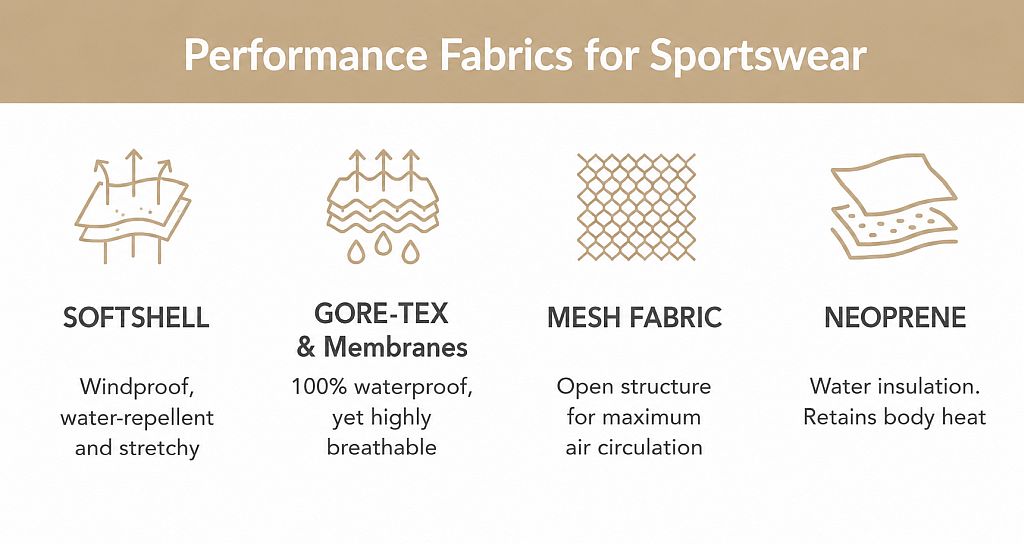
Softshell – the all-in-one solution for outdoor activities
Softshell materials are windproof, water-repellent, and yet elastic. They provide protection against rain and wind without restricting freedom of movement. This makes them ideal for trail running, cycling, or hiking in autumn, when changing weather conditions require both flexibility and protection. Softshell jackets and trousers are lightweight, durable, and breathable – perfect when you are active outdoors and want to avoid discomfort from moisture or cold.
GORE-TEX and membranes – when it gets really wet
GORE-TEX and similar membrane technologies are 100% waterproof while remaining breathable. They reliably keep rain out while allowing moisture from the inside to escape. These technologies are the core of high-quality rain jackets, outdoor trousers, and multisport clothing, offering optimal protection in extreme weather conditions.
Mesh fabrics for sportswear – strategic ventilation
Mesh or net fabrics for sportswear provide targeted ventilation in areas with high sweat production, such as under the arms or on the back. Their open structure allows air circulation, transports moisture away, and prevents overheating. Mesh is often used as inserts in running shirts, fitness tops, or cycling jerseys – for maximum cooling without compromising the rest of the garment.
Neoprene – insulation in water
Neoprene is the first choice for water sports. The material retains body heat even in cold water, protects against hypothermia, and supports freedom of movement in surfing, triathlon swimming, and other aquatic sports. At the same time, its elastic structure ensures a snug fit and comfort, allowing you to fully focus on your performance.
Which fabric suits your training? A practical guide
Not every sport places the same demands on clothing. Choosing the right material ensures comfort, freedom of movement, and optimal performance. Here you’ll learn which fabrics are best suited for your training goals – from yoga and strength training to outdoor adventures.
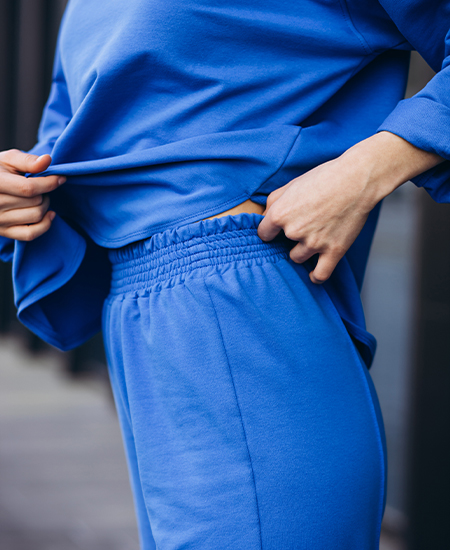
Yoga and stretching – freedom of movement in every pose
When practicing yoga, pilates, or stretching, clothing should feel like a second skin. It must not restrict movement or cause discomfort and should support every position effortlessly. Materials such as Tencel (lyocell) combined with elastane ensure that leggings and tops remain opaque even during deep stretches, while natural fibres provide softness and breathability. This allows you to fully focus on every pose – from downward dog to the bridge.
Strength training and gym – clothing that moves with you
In the gym, leggings, shorts, and tops are exposed to heavy use. Weights, machines, and intense movements require durable, shape-retaining fabrics that still provide comfort and freedom of movement. Polyamide blends with elastane withstand even intense workouts without wearing out and adapt to every motion.
Running and HIIT – stay cool, stay dry
For running or HIIT sessions, moisture management is key. Clothing made of polyester with mesh inserts quickly transports sweat away from the body, prevents overheating and chafing, and provides a cooling effect. Ultra-light T-shirts or tank tops with ventilation zones under the arms and on the back keep you dry and comfortable even during long runs or high-intensity interval training.
Outdoor and hiking – protection from wind and weather
For outdoor activities such as hiking, materials need to protect against wind, rain, and cold while remaining breathable and allowing full freedom of movement. Merino wool as a base layer keeps you warm, regulates temperature, and reduces odours, while softshell or Gore-Tex outer layers protect against wind and moisture and allow sweat to escape. This ensures comfort and performance even in changing weather conditions.
The “must-haves” for your sports wardrobe
A well-equipped sports wardrobe is the foundation of any successful workout. With the right materials, you are perfectly prepared – whether for yoga, the gym, running, or outdoor adventures. Here is a quick checklist of what to look for when choosing the most important garments:
| Garment | Recommended material | Why? |
|---|---|---|
| Leggings / tights | Polyamide + elastane | Opaque, shape-retaining, and highly durable. Perfect for fitness, yoga, or strength training. |
| Sports T-shirt | Recycled polyester | Dries quickly, keeps its shape, and effectively wicks away sweat. Ideal for endurance training and HIIT. |
| Sports bra | Polyester + elastane | Provides strong support while ensuring fast moisture transport. Comfortable during intense workouts. |
| Functional underwear | Merino wool | Natural odor resistance and excellent temperature regulation. Ideal for multi-day outdoor trips. |
| Rain jacket | GORE-TEX (laminate) | Fully waterproof yet breathable. Keeps you dry without trapping sweat inside. Perfect for hiking, trail running, and outdoor activities. |
Sustainability in sportswear – what to look for
More and more athletes are focusing not only on performance, but also on the environment. Sustainable sportswear combines functionality with responsibility – for you and for the planet. When choosing products or working with a sportswear clothing manufacturer, it is worth paying attention to the following aspects:
- Material choice – Prefer recycled or natural fibres such as recycled polyester, lyocell (Tencel), or merino wool. These materials help reduce resource consumption and are more environmentally friendly.
- Manufacturing process – Look into fair production conditions and certifications such as GOTS, OEKO-TEX, or bluesign®. Sustainable brands focus on eco-friendly dyeing processes, reduced water usage, and fair working conditions.
- Durability – Quality pays off. Robust materials that retain their shape, color, and performance even after frequent washing reduce the need for constant replacement and help lower overall consumption.
- Care – Sustainable clothing lasts longer when properly maintained. Correct washing, air drying instead of tumble drying, and using gentle detergents help preserve the functional properties of the fabrics over time.
Caring for sportswear fabrics
| Material | Washing | Drying | Special notes |
|---|---|---|---|
| Polyester & polyamide | 30–40 °C, machine wash | Air dry | Do not use fabric softener; retains shape and color |
| Elastane (spandex/Lycra) | Gentle cycle, mild detergent | Air dry | Avoid heat, as it can reduce elasticity |
| Merino wool | Hand wash or wool cycle with wool detergent | Lay flat to air dry | Soft, odor-resistant, and non-itchy |
| Lyocell (Tencel) | Gentle wash at 30 °C | Air dry | No bleach; soft and dimensionally stable |
| Functional fabrics / membranes (GORE-TEX, softshell) | Cold or gentle wash according to manufacturer instructions | Air dry | Avoid fabric softener; reproofing may be required |
| General tip | — | — | Wash or air out immediately after training; avoid heavy spinning and tumble drying |
Your body deserves the best material
Choosing the right fabric for your sportswear is more than just a matter of comfort – it directly affects your performance, freedom of movement, and overall well-being during every training session. Lightweight, breathable, and functional materials ensure that sweat is efficiently transported away, muscles are properly supported, and you feel comfortable in every activity.
Invest in high-quality fibres and functional fabrics that match your sport and training style. This way, you get clothing that is not only durable and easy to care for, but also supports every movement and protects you in all weather conditions. Your body deserves the best – give it materials that truly support it.
FAQ – Frequently asked questions about sportswear fabrics
Synthetic fibres such as polyester or polyamide combined with elastane are ideal because they are lightweight, durable, and moisture-wicking. For outdoor activities, merino wool or lyocell can also be a good choice.
The most commonly used materials are polyester, polyamide, elastane, merino wool, and functional fabrics such as softshell or GORE-TEX.
Pure cotton absorbs sweat but dries slowly, making it less suitable for intense workouts.
Polyester is more functional because it wicks moisture away, dries quickly, and retains its shape.
Polyester or polyamide blends with elastane are commonly used because they are elastic, breathable, and durable.
Often fleece, cotton blends, or polyamide/elastane blends with added stretch are used.
Yes, lightweight merino wool shirts help keep you cool and prevent odour build-up.
Wash on a gentle cycle at low temperatures, avoid fabric softener, air dry, and reproof membranes if needed.
Yes, they combine the comfort of natural fibres with the functionality of synthetic materials.
Yes, options include recycled polyester, lyocell (Tencel), and merino wool from controlled and responsible sources.