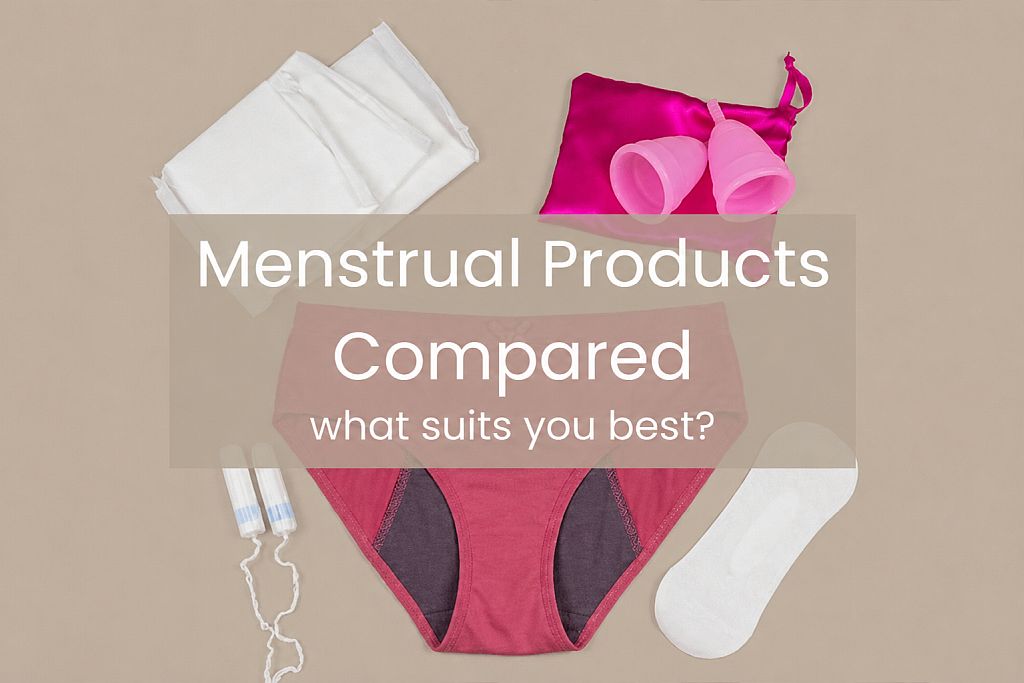
Menstrual products compared – tampons, menstrual cup, sponge or period underwear – which is the best?
To learn more about what makes the best fabrics for underwear and how different materials influence comfort, breathability, and durability, feel free to explore our related article. For practical care tips, you can also read our guide on how to clean period underwear and extend its lifespan while maintaining proper hygiene.
What period products are available today?
Twenty years ago, the choice was simple: pads or tampons. Today, things look very different. The market for period products has developed enormously – fortunately. Different bodies, lifestyles, and needs require different solutions.
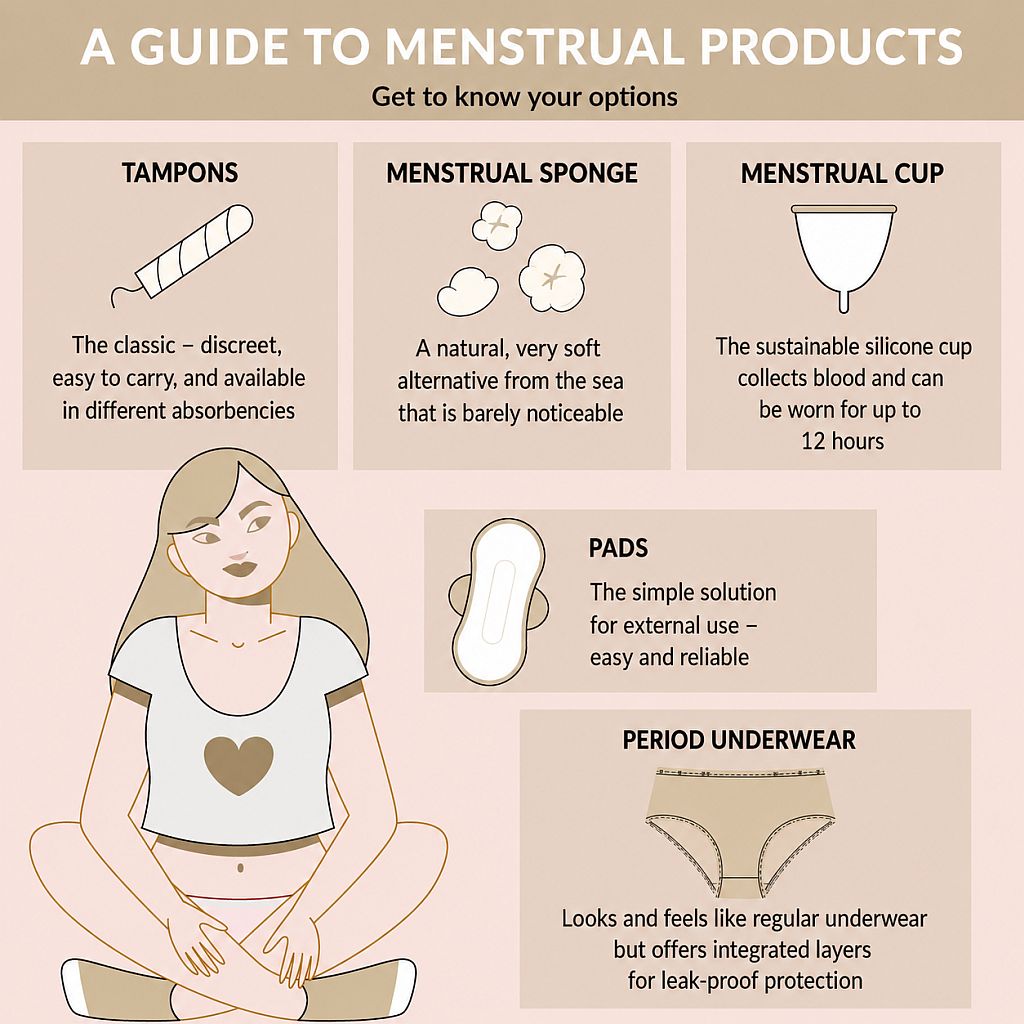
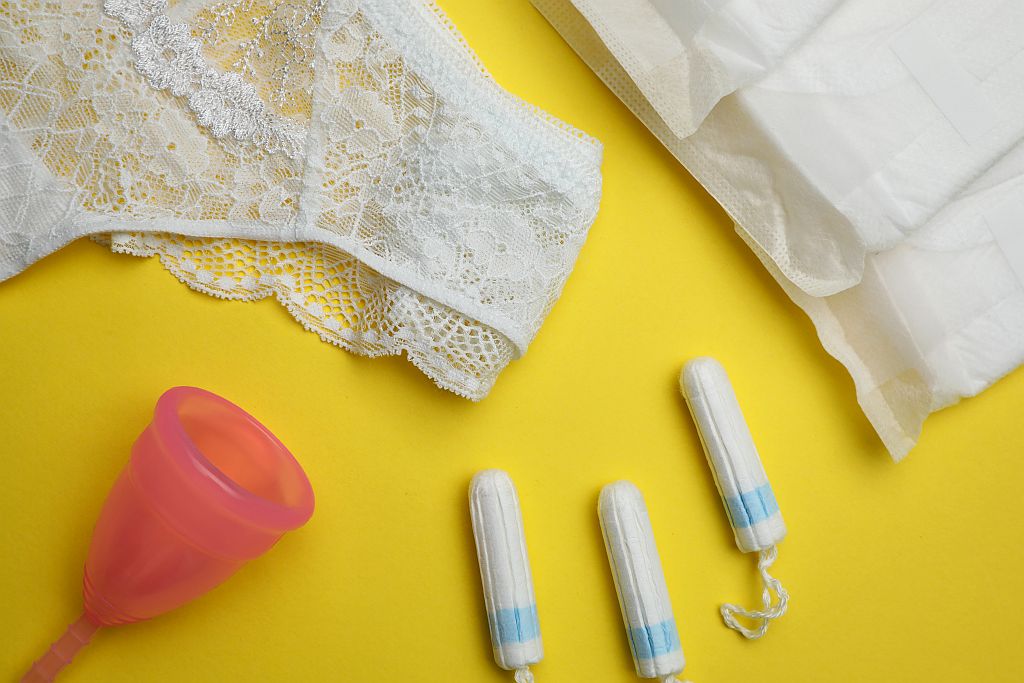
In addition to classic tampons, there are now menstrual cups, menstrual sponges, and period underwear available. Each of these products has its own strengths – and its limitations. Which one is right for you depends on many factors: the heaviness of your flow, your daily activities, sustainability, and of course your personal comfort and feeling.
Period underwear – comfort and security in everyday life
Period underwear looks and feels like regular underwear. The difference lies in the technology: several integrated layers of special materials absorb menstrual blood, distribute it, and prevent leakage. Depending on the model and brand, absorbency varies significantly – from light (roughly equivalent to a tampon) to heavy (for strong flows). Period underwear is one of the most relaxed period products: just put it on and you’re ready to go. No insertion, no changing on the go – at least on lighter days.
For many women, it is the ideal addition to other products: as nighttime protection instead of pads, as a standalone solution on light days, or as a backup to a menstrual cup during heavier flow. Those who plan their own collections or are interested in period underwear manufacturing can work with professional producers to create customized products tailored individually in terms of cut, material, and absorbency. This allows personal requirements, design preferences, and functional details to be perfectly combined.
The initial investment is higher – good period underwear usually costs between 20 and 50 euros per piece – but with proper care it lasts for several years. This makes it both an ecological and economical choice, especially when owning several pairs.
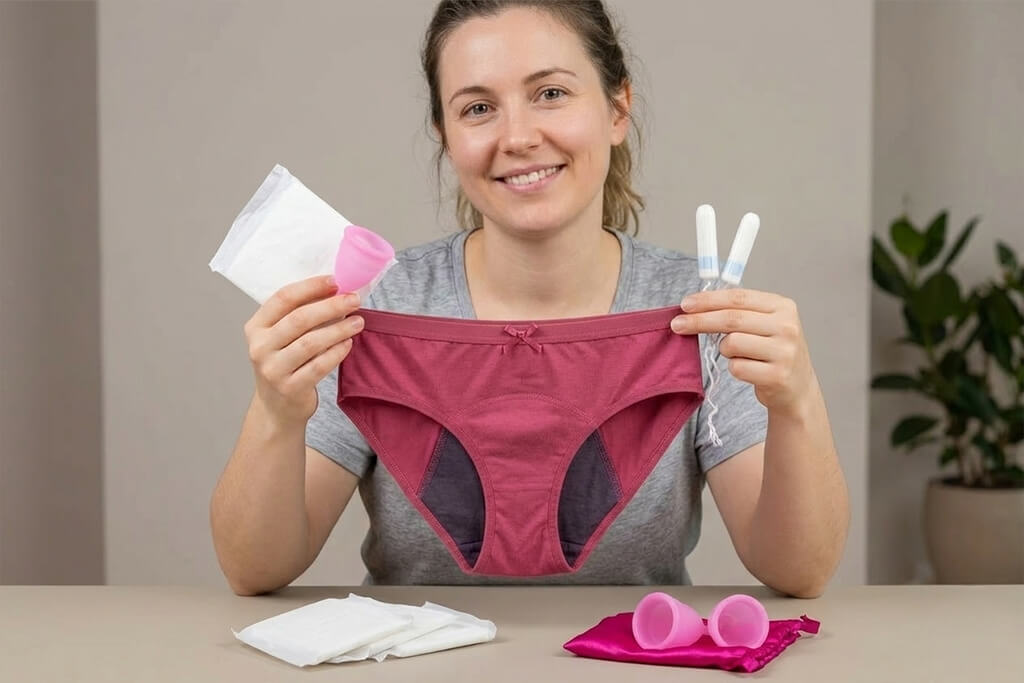
Tampons – the classic choice for many women
Tampons have been the most widely used period product for decades, and for good reason. They are discreet, easy to carry, and generally quick and simple to use for most women. They are available in different absorbency levels (light, normal, super, super plus), allowing them to be adapted to the intensity of menstrual flow.
A common misconception is that tampons are equally suitable for every day of a period. On heavier days, they provide reliable protection, while on very light days insertion and removal can sometimes feel uncomfortable. It is also important to change a tampon regularly – every four to eight hours – to reduce the risk of toxic shock syndrome (TSS), even though this risk is overall very low.
For those looking for a simple, familiar and convenient option, tampons remain a solid choice. Their biggest drawback is that they are single-use products, which leads to waste and ongoing costs.
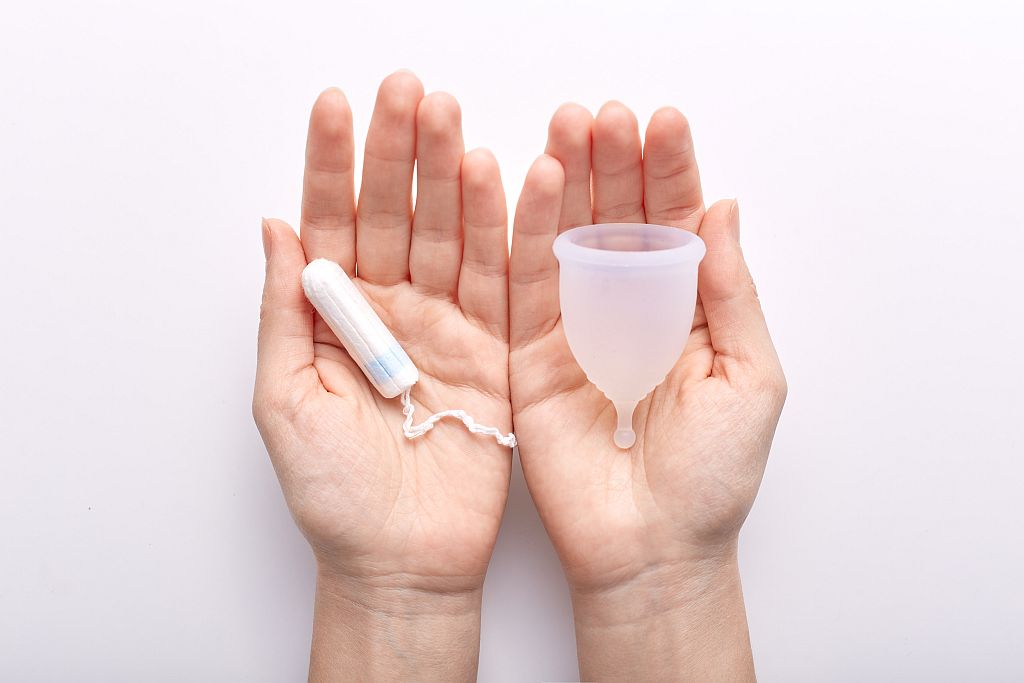
Pads – the traditional period product
Pads have also been in use for decades and are especially popular among women who prefer not to use tampons or who need reliable protection at night. They are worn outside the underwear and absorb menstrual blood. Pads come in various lengths, absorbency levels, and shapes – from thin panty liners for daytime use to long overnight pads.
One advantage is their simplicity: there is no insertion required, and they are suitable for all flow intensities. They can also be changed at any time, even on the go, without direct contact with blood.
The downside is that pads are visible, may shift during movement, and – like tampons – are typically single-use products, which creates waste and ongoing costs.
In contrast, reusable options such as wash period underwear offer a more sustainable alternative. These products are designed to be washed and reused after use, reducing waste while still providing reliable protection.
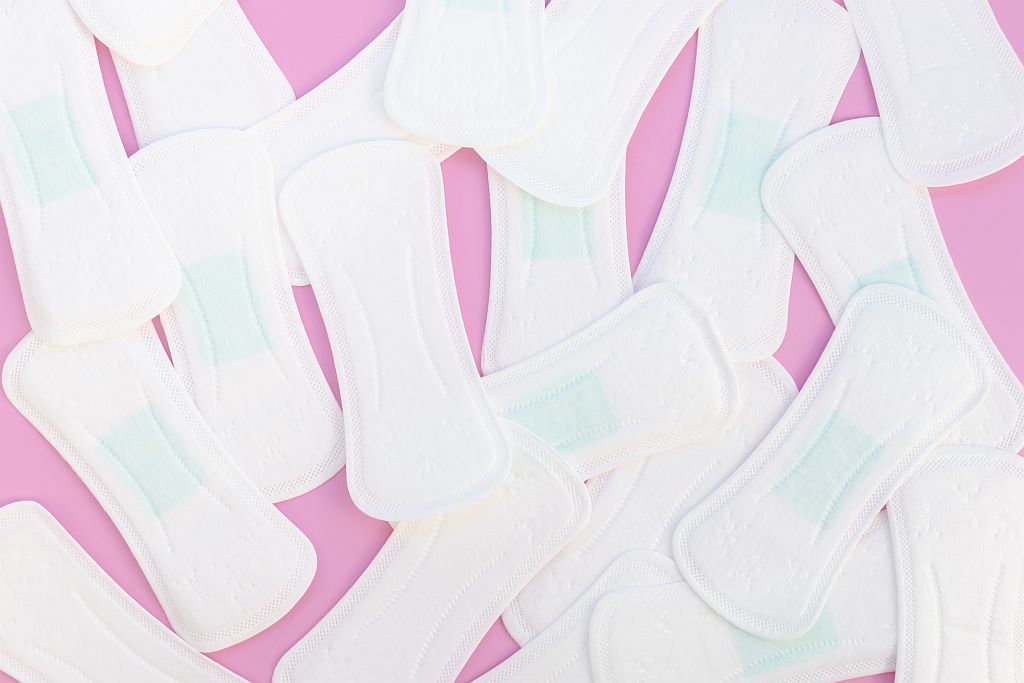
Menstrual cup – the sustainable alternative
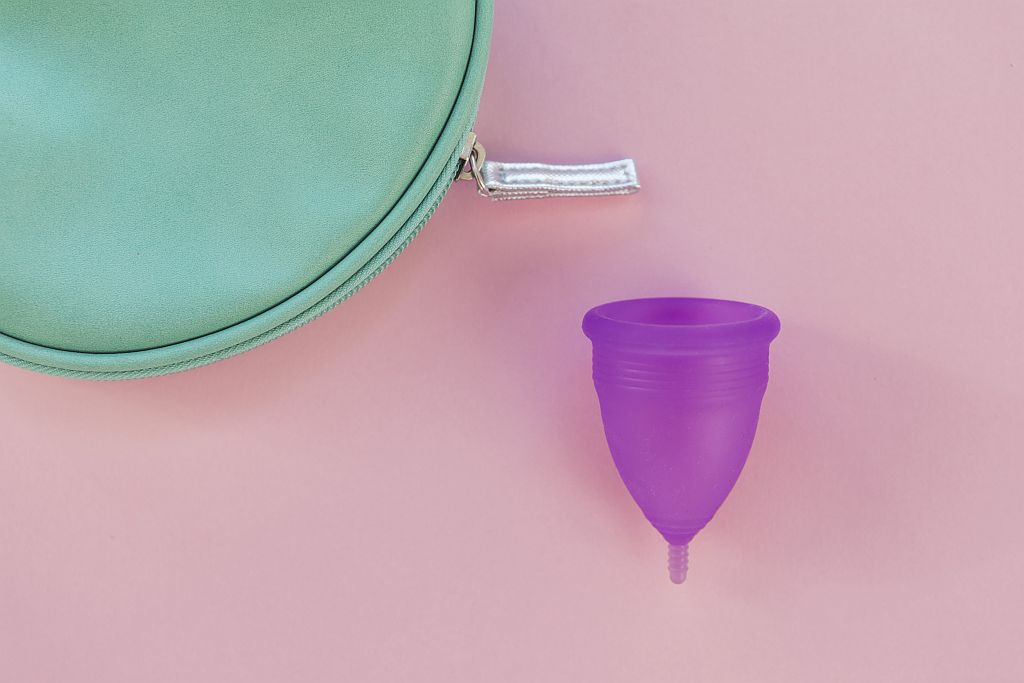
The menstrual cup has experienced a real boom in recent years – and rightly so. This small silicone cup is inserted into the vagina, collects menstrual blood, and can be emptied every four to twelve hours, depending on flow. When properly fitted, it is usually barely noticeable.
Its biggest advantage: with proper care, a cup can last up to ten years. This means significantly less waste and considerable long-term cost savings. For anyone who spends several euros per month on tampons, a cup (typically priced between 20 and 35 euros) pays for itself after just a few cycles.
There is a learning curve: folding and inserting the cup correctly takes some practice, and not every size fits every body. However, once the adjustment phase is over, many users become strong advocates of this product. Especially for women with heavy periods, the cup can be a real relief thanks to its high capacity.
Menstrual sponge – a natural solution from the sea
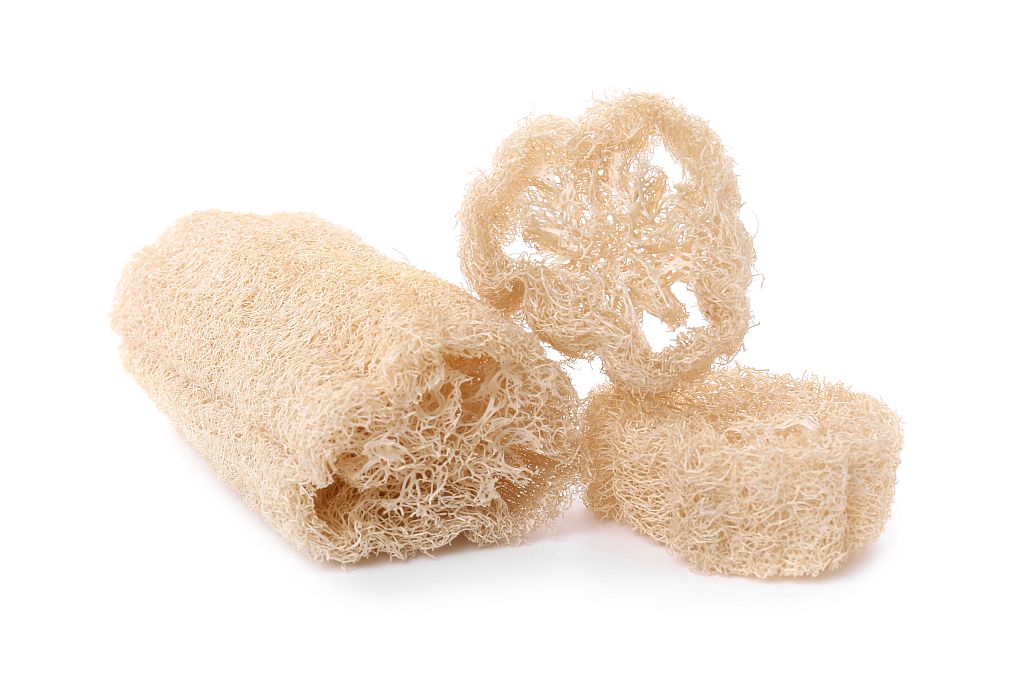
The menstrual sponge is probably the least known of modern period products. However, it has some interesting properties. It is a natural sea sponge that is inserted into the vagina and absorbs menstrual blood. There are also synthetic versions made from soft foam.
The sponge is very soft and usually barely noticeable – many women describe the wearing experience as more comfortable than a tampon. It can be rinsed and reused, making it more sustainable than disposable tampons. However, cleaning is more time-consuming, and its lifespan is shorter compared to a menstrual cup.
It is also important to note that menstrual sponges are not approved as medical devices in all countries, and there are fewer long-term studies compared to other period products. They are a good option for women looking for a natural, soft alternative to tampons and who are comfortable with a bit more maintenance.
Comparison of period products
| Product | Comfort | Annual cost | Sustainability | Suitable for sports | Suitable for sleep | Suitable for travel | Heavy flow | Learning curve |
|---|---|---|---|---|---|---|---|---|
| Tampons | Good when inserted correctly | Approx. €50–100 | Low (single-use) | Yes | Limited | Good | Good (high absorbency) | Low |
| Menstrual cup | Very good after adjustment | Approx. €5–10 (one-time cost) | Very high (up to 10 years) | Yes | Yes | Very good | Very good (high capacity) | Medium |
| Menstrual sponge | Soft, barely noticeable | Approx. €10–20 | High (reusable) | Yes | Yes | Good | Moderate | Low |
| Period underwear | Like regular underwear | Approx. €30–80 | High (reusable) | Limited | Very good | Good | Moderate to good | None |
Which period product is suitable for which situation?
- Sport – During sports, especially swimming, tampons and menstrual cups are clearly the best choices. Both are internal, move with the body, and are waterproof. The menstrual cup also stands out due to its large capacity, meaning no need to change it during training. The menstrual sponge is also suitable. Period underwear, however, is only partially recommended for sports – except on very light days or as a backup.
- Sleep – For nighttime use, period underwear is often the first choice for many women. It is comfortable, does not shift, and depending on the model provides reliable protection even for heavier flows. The menstrual cup is also very suitable for overnight use, as it can be worn for up to twelve hours. Tampons, however, should not be worn for more than eight hours, which can be inconvenient for late sleepers.
- Travel – For frequent travelers, the menstrual cup is a favorite. No need to carry large supplies of tampons or search for a pharmacy in a foreign country. A cup fits easily into a handbag and can last through the entire trip. Bringing enough tampons is also practical, but they take up more space.
- Heavy flow – For very heavy periods, menstrual cups and high-absorbency period underwear are the best options. Tampons need to be changed more frequently and may not be sufficient on heavy-flow days. Many women combine a cup with period underwear for extra protection.
You may also want to explore which are the best fabrics for period underwear and how different materials affect comfort, absorbency, and breathability. To ensure long-lasting performance and hygiene, check out our guide on how to clean period underwear and extend its lifespan.
Sustainability of period products
Understanding the environmental impact of period products leads to different choices. Over a lifetime, a menstruating person is estimated to use between 10,000 and 15,000 disposable items – including tampons, pads, and related hygiene products. Most of these end up in waste or, unfortunately, in waterways.
The menstrual cup is the clear sustainability leader: a single purchase can last up to ten years. Period underwear and menstrual sponges are also far more eco-friendly than disposable products, even though they require regular washing – which uses water and energy, but still has a much lower impact compared to disposable waste.
Tampons and pads made from organic cotton are a compromise for those who do not want to give up disposables entirely: they contain no pesticides or chlorine and are more environmentally friendly than conventional products – but they are still single-use items.
Conclusion – which product fits which lifestyle?
There is no universal “best” period product – but there is the best one for you. Here is a quick overview:
- If you want something simple and familiar – tampons are still a solid choice for women who value a well-known product and don’t want to deal with learning curves or adjustments.
- If you want something sustainable and cost-effective in the long run – the menstrual cup is a smart investment, and the adjustment period is worth it.
- If you are looking for a soft, natural alternative – the menstrual sponge is worth trying if you are open to experimentation.
- If you want real comfort without compromise – period underwear is your best choice, and not only at night. It feels like regular underwear but provides reliable protection all day long. No insertion, no changing on the go, no uncomfortable feeling.
Many women today combine several products depending on the day, situation, and activity – and period underwear is almost always part of the mix: as main protection, as backup, or simply for peace of mind. Your cycle is not the same every day – but with the right underwear, you are always prepared.
FAQ – Frequently asked questions about period products
All common period products are safe when used correctly. Tampons should be changed every four to eight hours. Menstrual cups, period underwear, and menstrual sponges are generally considered very body-friendly options.
Yes – for light to moderate flow. High-quality period underwear such as Cann provides reliable protection. On very heavy days, it is recommended to combine it with a menstrual cup.
After every use. First rinse it in cold water, then wash it in the washing machine at a maximum of 30–40°C. Do not use fabric softener, as it can reduce absorbency.
It requires some practice – usually two to three cycles until insertion and removal feel comfortable. Beginners may start with a softer cup.
Tampons and menstrual cups are internal and move with the body, making them ideal for sports. Period underwear is suitable for yoga, light exercise, or as a backup, but not ideal for swimming.
For disposable products like tampons, organic options are a good choice: no pesticides, no chlorine, and more environmentally friendly. Reusable products like menstrual cups and period underwear are mainly sustainable due to their long lifespan.
At least four to six pairs per cycle, depending on flow and washing frequency. Three pairs may be enough if washed regularly, but more pairs offer greater flexibility.